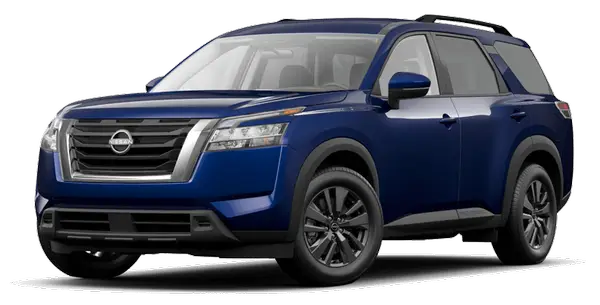



Nissan Frontier: Starting and driving - Precautions when starting and driving
- Basic Information
- Tire Pressure Monitoring System (TPMS)
- On-pavement and off-road driving precautions
- Drinking alcohol/drugs and driving
Basic Information Nissan Frontier 3rd Gen
WARNING
- Never leave children, elderly occupants, individuals who require assistance, or pets unattended inside
your Nissan Frontier.
Pets should never be left alone inside the vehicle under any circumstances.
Occupants could accidentally operate vehicle controls and injure themselves or others. In addition, temperatures inside a parked Nissan Frontier can rise rapidly on warm or sunny days, creating conditions that may result in severe injury, heat-related illness, or even death to people or animals.
- Always secure cargo properly using ropes, straps, cargo nets, or other approved restraints to help prevent items from moving during vehicle operation. Do not stack cargo above the seatback height. During sudden braking, sharp turns, or a collision, unsecured cargo may shift unexpectedly and cause serious personal injury.
Exhaust gas (carbon monoxide)
WARNING
- Never inhale exhaust gases. Nissan Frontier exhaust contains carbon monoxide, a colorless, odorless, and highly dangerous gas. Exposure to carbon monoxide can lead to dizziness, unconsciousness, serious injury, or death.
- If you suspect exhaust fumes are entering the Nissan Frontier passenger compartment, immediately drive with all windows fully open and have the vehicle inspected by a qualified technician as soon as possible.
- Never operate the engine inside enclosed areas such as garages, workshops, storage buildings, or other poorly ventilated spaces.
- Do not leave the Nissan Frontier parked with the engine running for extended periods, especially in areas with limited ventilation.
- Keep rear vent windows, liftgates, doors, and trunk lids (if so equipped) securely closed while driving.
Open body openings may allow exhaust gases to enter the passenger compartment.
If it becomes necessary to drive with any of these openings partially open, follow the precautions below:
- Open all vehicle windows to increase airflow through the cabin.
- Set the
 air recirculation button to the OFF
position and adjust the fan speed control to a high setting to maximize fresh-air circulation
inside the Nissan Frontier.
air recirculation button to the OFF
position and adjust the fan speed control to a high setting to maximize fresh-air circulation
inside the Nissan Frontier.
- If trailer wiring, accessory cables, or other electrical connections must pass through a liftgate seal, body seal, or similar opening, carefully follow the equipment manufacturer's instructions to prevent carbon monoxide from entering the Nissan Frontier cabin.
- The exhaust system and vehicle body should be inspected by a qualified mechanic whenever any of the
following situations occur:
- The Nissan Frontier has been raised on a lift or serviced underneath.
- You suspect exhaust gases are entering the passenger compartment.
- You notice an unusual change in exhaust sound, vibration, or engine noise.
- The vehicle has been involved in an accident that may have damaged the exhaust system, underbody components, rear structure, or surrounding areas.
- If a camper shell, recreational equipment, service body, canopy, or other aftermarket equipment is installed on the Nissan Frontier, carefully follow the manufacturer's recommendations to help prevent carbon monoxide intrusion into the passenger compartment.
Regular inspection and maintenance of the Nissan Frontier exhaust system can help ensure safe operation, reduce the risk of exhaust leaks, and maintain proper engine performance throughout the life of the vehicle.
Do not occupy these enclosed or modified areas while the Nissan Frontier engine is running, even if the vehicle is parked and not being driven. Certain recreational vehicle appliances, such as stoves, refrigerators, heaters, and similar equipment, can also create exhaust-related hazards.
These appliances may generate carbon monoxide, so proper ventilation and safe operating practices are essential.
Three-way catalyst
The three-way catalyst in the Nissan Frontier is an important emissions-control component installed within the exhaust system.
Its purpose is to help reduce harmful exhaust pollutants by treating exhaust gases at very high operating temperatures.
Because the three-way catalyst works under extreme heat, proper fuel quality, engine condition, and routine maintenance are essential for reliable Nissan Frontier performance and emissions compliance.
WARNING
Exhaust gases and exhaust-system components become extremely hot during vehicle operation. Keep people, pets, dry vegetation, and flammable materials away from the Nissan Frontier exhaust system and catalytic converter area.
Do not stop, idle, or park the Nissan Frontier over flammable materials such as dry grass, leaves, waste paper, rags, or other combustible items. Heat from the exhaust system may ignite these materials and cause a fire.
CAUTION
- Do not use leaded gasoline in the Nissan Frontier. Deposits from leaded fuel can seriously reduce the three-way catalyst's ability to control exhaust emissions and may cause permanent damage.
- Keep the engine properly tuned and maintained. Malfunctions in the ignition system, fuel injection
system, or electrical system can cause an overly rich fuel mixture to enter the three-way catalyst,
resulting in overheating and possible catalyst damage. Do not continue driving if the engine misfires,
loses noticeable power, runs roughly, or operates abnormally.
Have the Nissan Frontier inspected promptly if these symptoms occur. It is recommended that you visit an authorized NISSAN dealer for diagnosis and service.
- Avoid driving with an extremely low fuel level. Running out of fuel may cause engine misfire, which can damage the three-way catalyst and other emissions-control components.
- Do not race the Nissan Frontier engine while warming it up. Allow the engine to reach operating temperature through normal, controlled operation.
- Do not push or tow the Nissan Frontier in an attempt to start the engine. Improper starting methods may allow unburned fuel to enter the exhaust system and damage the catalytic converter.
Using the correct fuel, responding quickly to engine misfires, and maintaining the Nissan Frontier according to the recommended service schedule will help protect the three-way catalyst and keep the exhaust system operating efficiently.
Tire Pressure Monitoring System (TPMS) Nissan Frontier 3rd Gen
Basic Information
Every tire on your Nissan Frontier, including the spare tire if your vehicle is equipped with one, should be inspected at least once each month while the tires are cold. Each tire must be inflated to the pressure specified by the vehicle manufacturer on the tire placard or on the tire inflation pressure label. If your Nissan Frontier is fitted with tires that differ in size from the tires shown on the vehicle placard or pressure label, you must confirm the correct inflation pressure for those specific tires before driving.
Basic Information
For safe and dependable Nissan Frontier operation, tire pressure should never be guessed by appearance alone. Check each tire when cold, including the spare tire where applicable, and inflate it according to the recommended pressure listed by the manufacturer. If alternate-size tires are installed, use the proper pressure rating for those tires rather than relying only on the original tire information label.
As an additional safety feature, your Nissan Frontier is equipped with a Tire Pressure Monitoring System (TPMS). This system turns on the low tire pressure warning light when one or more tires are significantly under-inflated.
When the low tire pressure warning light comes on, stop as soon as it is safe to do so, inspect the tires, and inflate them to the correct pressure.
Driving the Nissan Frontier with a severely under-inflated tire can cause excessive heat buildup inside the tire and may lead to tire failure. Low tire pressure can also reduce fuel economy, shorten tread life, and negatively affect steering response, handling stability, and braking performance.
Remember that the TPMS is only a warning aid and does not replace regular tire maintenance. The driver is responsible for keeping all tires at the correct pressure, even when the under-inflation level has not yet become severe enough to activate the TPMS warning light.
Your Nissan Frontier is also equipped with a TPMS malfunction indicator, which alerts you when the tire pressure monitoring system is not working correctly.
The TPMS malfunction indicator is integrated with the same warning light used for low tire pressure.
When the system detects a malfunction, the warning light flashes for approximately one minute and then stays illuminated continuously.
This flashing-then-steady sequence will repeat each time the vehicle is started as long as the malfunction remains present. When the malfunction indicator is on, the TPMS may not be able to detect low tire pressure or warn the driver as intended. TPMS malfunctions can occur for several reasons, including the installation of replacement or alternate tires or wheels that are not compatible with the system.
After replacing one or more tires or wheels on your Nissan Frontier, always check the TPMS malfunction warning light. This helps confirm that the new or alternate tires and wheels still allow the Tire Pressure Monitoring System to operate properly.
Additional information:
- When a wheel without a TPMS sensor is installed, such as certain spare tire assemblies, the system cannot monitor the pressure of that tire.
- The TPMS begins operating only after the Nissan Frontier is driven at speeds above 16 mph (25 km/h). The system may also be unable to detect an immediate or sudden loss of air pressure, such as a flat tire that occurs while driving.
- The low tire pressure warning light does not turn off automatically immediately after the tire pressure is corrected. Once the tires are inflated to the recommended pressure, the vehicle must be driven above 16 mph (25 km/h) so the TPMS can update and turn the warning light off. Always use an accurate tire pressure gauge to verify tire pressure.
- The “Tire Pressure Low-Add Air” message appears in the vehicle information display when the low tire pressure warning light is on and low tire pressure has been detected. This message turns off after the low tire pressure warning light turns off.
- The “Tire Pressure Low-Add Air” warning will appear each time the ignition switch is placed in the ON position while the low tire pressure warning light remains illuminated.
- The “Tire Pressure Low-Add Air” message does not appear when the low tire pressure warning light is illuminated because of a TPMS malfunction rather than actual low tire pressure.
- Tire pressure naturally rises and falls depending on driving heat and outside temperature. Do not release air from the tires immediately after driving, because pressure normally increases as the tires warm up during vehicle operation.
For best results, check tire pressure before the Nissan Frontier has been driven or after it has been parked long enough for the tires to cool. Regular pressure checks help maintain ride quality, safety, tire durability, and proper TPMS performance.
- Low outside temperature can lower the temperature of the air inside the tire which can cause a lower tire inflation pressure. This may cause the low tire pressure warning light to illuminate. If the warning light illuminates, check the tire pressure for all four tires.
- The Tire and Loading information label is located in the driver's door opening.
WARNING
- Radio waves could adversely affect electric medical equipment. Those who use a pacemaker should contact the electric medical equipment manufacturer for the possible influences before use.
- If the low tire pressure warning light
illuminates while driving, avoid sudden
steering maneuvers or abrupt
braking, reduce vehicle speed, pull
off the road to a safe location and
stop the vehicle as soon as possible.
Driving with under-inflated tires may permanently damage the tires and increase the likelihood of tire failure.
Serious vehicle damage could occur and may lead to an accident and could result in serious personal injury.
Check the tire pressure for all four tires. Adjust the tire pressure to the recommended COLD tire pressure shown on the Tire and Loading information label to turn the low tire pressure warning light off. If you have a flat tire, replace it with a spare tire as soon as possible.
- When using a wheel without the TPMS such as a spare tire, when a spare tire is mounted or a wheel is replaced, the TPMS will not function and the low tire pressure warning light will flash for approximately 1 minute. The light will remain on after 1 minute. Have your tires replaced and/or TPMS system reset as soon as possible. It is recommended that you visit a NISSAN dealer for this service.
- Replacing tires with those not originally specified by NISSAN could affect the proper operation of the TPMS.
- Do not inject any tire liquid or aerosol tire sealant into the tires, as this may cause a malfunction of the tire pressure sensors.
- To help avoid serious personal injury or death, when checking your tire pressure, either as part of routine maintenance or because of a TPMS alert, please check the pressure in all of your tires. Driving on under inflated tires can cause tire failure and interfere with the proper operation of other vehicle systems.
CAUTION
Do not place metalized film or any metal parts (antenna, etc.) on the windows.
This may cause poor reception of the signals from the tire pressure sensors, and the TPMS will not function properly.
Some devices and transmitters may temporarily interfere with the operation of the TPMS and cause the low tire pressure warning light to illuminate.
Some examples are:
- Facilities or electric devices using similar radio frequencies are near the vehicle.
- If a transmitter set to similar frequencies is being used in or near the vehicle.
- If a computer (or similar equipment) or a DC/AC converter is being used in or near the vehicle.
The low tire pressure warning light may illuminate in the following cases:
- If the vehicle is equipped with a wheel and tire without TPMS.
- If the TPMS has been replaced and the ID has not been registered.
- If the wheel is not originally specified by NISSAN.
FCC Notice:
For USA:
This device complies with Part 15 of the FCC Rules. Operation is permitted only under the following two conditions: (1) this device may not cause harmful interference, and (2) this device must accept any interference received, including interference that could cause unwanted or improper operation.
NOTE:
Any changes or modifications that are not expressly approved by the party responsible for compliance may void the user's authority to operate this equipment in the Nissan Frontier.
For Canada:
This device contains license-exempt transmitter(s)/receiver(s) that comply with Innovation, Science and Economic Development Canada's licence-exempt RSS(s). Operation is allowed under the following two conditions: (1) this device may not cause interference. (2) This device must accept any interference received, including interference that may cause undesired operation of the device.
TPMS with Easy-Fill Tire Alert
WARNING
After rotating the tires on your Nissan Frontier, do not use the Easy-Fill Tire Alert as the main method to adjust tire pressure. Instead, use a reliable tire pressure gauge and adjust each tire to the correct pressure in accordance with the Tire and Loading information label.
When air is added to an under-inflated tire, the TPMS with Easy-Fill Tire Alert on the Nissan Frontier provides visible and audible signals from outside the vehicle. These signals are designed to help you inflate the tires to the recommended COLD tire pressure without repeatedly checking from inside the cabin.
Vehicle set-up
1. Park the Nissan Frontier in a safe, level location where you can work around the tires without traffic or obstacles nearby.
2. Apply the parking brake fully and move the shift lever to the P (Park) position.
3. Place the ignition switch in the ON position.
Do not start the engine while using this tire inflation assist feature.
Operation
1. Add air to the tire that requires inflation.
2. After a few seconds, the hazard indicators will begin flashing to show that the Easy-Fill Tire Alert is responding.
3. When the specified tire pressure is reached, the horn will beep once and the hazard indicators will stop flashing.
4. Repeat the same procedure for each tire that needs pressure adjustment.
- If the tire is over-inflated by more than approximately 4 psi (30 kPa), the horn will beep and the hazard indicators will flash three times. To correct the pressure, briefly press the core of the valve stem on the tire to release air. When the pressure returns to the designated level, the horn will beep once.
- If the hazard indicators do not flash within approximately 15 seconds after you begin inflating the tire, the Easy-Fill Tire Alert is not operating or is not detecting the inflation process.
- The TPMS will not activate the Easy-Fill
Tire Alert under the following
conditions:
- Interference is present from an outside device or transmitter near the Nissan Frontier.
- The air pressure supplied by the inflation device is not strong enough to inflate the tire correctly.
- A malfunction exists in the TPMS.
- A malfunction exists in the horn or hazard indicator system.
- The identification code of the tire pressure sensor has not been registered to the system.
- The battery in the tire pressure sensor is low.
- If the Easy-Fill Tire Alert does not operate because of TPMS interference, move the Nissan Frontier about 3 ft (1 m) backward or forward and try the inflation procedure again.
If the Easy-Fill Tire Alert is not working, always use a tire pressure gauge to set the correct pressure. This helps keep the Nissan Frontier safe, stable, and properly supported by all four tires.
On-pavement and off-road driving precautions Nissan Frontier 3rd Gen
Utility vehicles have a significantly higher rollover rate than many other types of vehicles.
Because the Nissan Frontier is designed as a capable utility vehicle, it has more ground clearance than a typical passenger car. This extra height helps the vehicle handle a wide range of paved-road and off-road driving situations, but it also gives the Nissan Frontier a higher center of gravity than lower passenger vehicles.
The benefit of higher ground clearance is improved visibility over the road and trail ahead, which can help the driver notice hazards earlier and react more confidently. However, vehicles with this type of design are not intended to corner at the same speeds as conventional 2-Wheel Drive passenger cars, just as low-slung sports cars are not intended to perform well in rough off-road conditions. Whenever possible, avoid sharp turns, sudden steering inputs, or aggressive cornering at high speeds.
As with other vehicles in this category, incorrect operation of the Nissan Frontier may result in loss of control, a collision, or vehicle rollover.
In a rollover crash, a person who is not wearing a seat belt is significantly more likely to be seriously injured or killed than a person properly wearing a seat belt.
Avoiding collision and rollover
WARNING
Failure to operate this vehicle in a safe, careful, and responsible manner may result in loss of control or an accident.
Stay alert, watch the road ahead, and drive defensively at all times.
Follow all traffic laws and road regulations. Avoid excessive speed, fast cornering, and sudden steering maneuvers, because these driving habits can cause you to lose control of your Nissan Frontier.
As with any vehicle, loss of control could result in a collision with other vehicles or objects, or it could cause the vehicle to roll over, especially if the loss of control causes the vehicle to slide sideways.
Remain attentive whenever you drive, and do not drive when you are tired. Never drive while under the influence of alcohol or drugs, including prescription or over-the-counter medication that may cause drowsiness. Always wear your seat belt as described in the "Safety - Seats, seat belts and supplemental restraint system" section of this manual, and make sure all passengers in the Nissan Frontier wear their seat belts correctly as well.
Seat belts help reduce the risk of injury in collisions and rollover situations.
In a rollover crash, an unbelted person is significantly more likely to die than a person wearing a seat belt.
Off-road recovery
During driving, the right-side or left-side wheels may accidentally leave the paved road surface. If this happens, keep control of the Nissan Frontier by following the procedure below.
Remember that this procedure is only a general guide. The vehicle must always be driven according to the actual conditions of the vehicle, road surface, traffic, weather, and surrounding area.
1. Stay calm and do not overreact.
2. Do not apply the brakes suddenly.
3. Keep a firm grip on the steering wheel with both hands and try to hold a straight, steady course.
4. When appropriate, slowly release the accelerator pedal to reduce the speed of the vehicle gradually.
5. If there is no obstacle in the way, steer the vehicle so it continues to follow the road while the speed is being reduced. Do not try to force the vehicle back onto the road surface until the vehicle has slowed sufficiently.
6. When it is safe, gradually turn the steering wheel until both tires return to the road surface. After all tires are back on the road surface, steer the Nissan Frontier carefully to remain in the proper driving lane.
- If you determine that it is not safe to return the vehicle to the road surface because of vehicle, road, traffic, or visibility conditions, gradually slow the vehicle and stop in a safe location off the road.
Rapid air pressure loss
Rapid air pressure loss, sometimes called a "blow-out", can occur if a tire is punctured or damaged after striking a curb, pothole, sharp object, or road debris. Rapid air pressure loss can also be caused by driving on tires that are under-inflated.
A sudden loss of tire pressure can affect the handling and stability of the Nissan Frontier, especially at highway speeds.
Help reduce the risk of rapid air pressure loss by maintaining the correct tire pressure and visually inspecting the tires regularly for wear, cuts, cracks, bulges, embedded objects, or other damage.
If a tire rapidly loses air pressure or "blows-out" while driving, maintain control of the vehicle by following the procedure below. This procedure is only a general guide.
The Nissan Frontier must be driven according to the actual conditions of the vehicle, road, traffic, and surrounding hazards.
WARNING
The following actions can increase the chance of losing control of the vehicle if there is a sudden loss of tire air pressure.
Losing control of the vehicle may cause a collision and result in personal injury.
- The vehicle will usually move or pull toward the side with the flat tire.
- Do not apply the brakes rapidly.
- Do not release the accelerator pedal suddenly.
- Do not turn the steering wheel abruptly.
1. Remain calm and avoid overreacting.
2. Hold the steering wheel firmly with both hands and try to maintain a straight course.
3. When it is appropriate, slowly release the accelerator pedal to allow the vehicle to slow down gradually.
4. Gradually steer the Nissan Frontier to a safe location off the road and away from traffic if possible.
5. Apply light pressure to the brake pedal to bring the vehicle to a controlled stop.
6. Turn on the hazard warning flashers and contact a roadside emergency service or qualified assistance to change the tire safely.
For safer Nissan Frontier driving, always adjust speed to road conditions, keep tires properly inflated, avoid abrupt maneuvers, and make sure every occupant uses a seat belt before the vehicle moves.
Drinking alcohol/drugs and driving Nissan Frontier 2026
WARNING
Never drive the Nissan Frontier while under the influence of alcohol or drugs. Alcohol in the bloodstream reduces coordination, slows reaction time and impairs judgement, even when a driver believes they are still in control.
Driving after consuming alcohol greatly increases the likelihood of being involved in an accident that can injure you, your passengers, pedestrians, or other road users.
Additionally, if you are injured in a crash, alcohol can increase the severity of the injury and make recovery more difficult.
NISSAN is committed to safe and responsible driving. However, the final decision is always the driver's responsibility: do not operate the Nissan Frontier under the influence of alcohol. Every year, thousands of people are injured or killed in alcohol-related collisions. Although local laws vary regarding what is considered legally intoxicated, alcohol affects people differently, and most drivers underestimate its effect on alertness, judgement, vision, and reaction time.
Remember, drinking and driving do not mix. The same warning applies to drugs, including over-the-counter medicines, prescription medication, and illegal drugs. Do not drive your Nissan Frontier if your ability to operate the vehicle is impaired by alcohol, drugs, fatigue, illness, emotional stress, or any other physical or mental condition.
Driving safety precautions
Your Nissan Frontier is engineered for both normal road driving and selected off-road use. However, avoid driving in deep water, deep mud, or severe terrain, because the Nissan Frontier is primarily designed for recreational and utility use rather than as a specialized extreme off-road vehicle.
Remember that 2-Wheel Drive models are less capable than 4-Wheel Drive (4WD) models when driving on rough roads or when attempting to get free after being stuck in deep snow, mud, sand, or similar conditions.
Please observe the following precautions:
WARNING
- Drive carefully when off the road and avoid dangerous areas. Every person who drives or rides in this Nissan Frontier should be seated with their seat belt fastened. This helps keep you and your passengers properly positioned when driving over rough or uneven terrain.
- Do not drive across steep slopes. Instead, drive either straight up or straight down the slope whenever conditions allow. Off-road vehicles can tip over sideways much more easily than they can forward or backward.
- Many hills are too steep for any vehicle.
If you drive up such a hill, the vehicle may stall. If you drive down it, you may not be able to control your speed. If you drive across it, the Nissan Frontier may roll over.
- Do not shift gears while driving on downhill grades, because this could cause loss of control of the vehicle.
- Stay alert when driving toward the top of a hill. Beyond the crest there could be a drop-off, large obstacle, ditch, vehicle, or other hazard that could cause an accident.
- If the engine stalls or you cannot reach the top of a steep hill, never attempt to turn around. The vehicle could tip or roll over. Always back straight down in R (Reverse) gear. Never back down in N (Neutral), using only the brake, because this could cause loss of control.
- Heavy braking while going down a hill can cause the brakes to overheat and fade, resulting in loss of control and a possible accident. Apply the brakes lightly and use a low gear to help control your speed.
- Unsecured cargo can be thrown
around when driving over rough terrain.
Secure all cargo properly so it will not be thrown forward, sideways, or upward and cause injury to you or your passengers.
- To avoid raising the center of gravity excessively, do not exceed the rated capacity of the roof rack, if so equipped, and distribute the load evenly. Secure heavy loads in the cargo area as far forward and as low as possible. Do not equip the Nissan Frontier with tires larger than those specified in this manual. Doing so could increase the risk of rollover.
- Do not grip the inside or spokes of
the steering wheel when driving off-road.
The steering wheel could move suddenly and injure your hands. Instead, drive with your fingers and thumbs positioned on the outside of the rim.
- Before operating the vehicle, make sure that the driver and all passengers have their seat belts properly fastened.
- Always drive with the floor mats, if so equipped, correctly installed, because the floor may become hot during vehicle operation.
- Reduce your speed when encountering strong crosswinds. Because of its higher center of gravity, the Nissan Frontier can be more affected by strong side winds. Lower speeds help maintain better vehicle control.
- Do not drive beyond the performance capability of the tires, even when 4WD is engaged, if so equipped.
- For 4WD equipped vehicles, do not attempt to raise two wheels off the ground and shift the transmission to any drive or reverse position while the engine is running. Doing so may result in drivetrain damage or unexpected vehicle movement, which could cause serious vehicle damage or personal injury.
- Do not attempt to test a 4WD
equipped Nissan Frontier on a 2-wheel dynamometer
(such as the dynamometers
used by some states for emissions
testing), or similar equipment,
even if the other two wheels are
raised off the ground. Make sure you
inform test facility personnel that
your vehicle is equipped with 4WD
before it is placed on a dynamometer.
Using the wrong test equipment may result in drivetrain damage or unexpected vehicle movement, which could cause serious vehicle damage or personal injury.
- Rapid acceleration, sharp steering maneuvers, or sudden braking may cause loss of control, especially on loose, wet, icy, or uneven surfaces.
- Whenever possible, avoid sharp turning maneuvers, particularly at high speeds. Your Nissan Frontier 4WD vehicle has a higher center of gravity than a passenger car. The vehicle is not designed to corner at the same speeds as passenger cars. Failure to operate this vehicle correctly could result in loss of control and/or a rollover accident.
- Always use tires of the same type, size, brand, construction (bias, bias-belted, or radial), and tread pattern on all four wheels. Install tire chains on the rear wheels when driving on slippery roads and drive carefully.
- Be sure to check the brakes immediately after driving through mud or water, because moisture or debris may reduce braking performance.
- Avoid parking the Nissan Frontier on steep hills. If you get out of the vehicle and it rolls forward, backward, or sideways, you could be injured.
- Whenever you drive off-road through sand, mud, or water as deep as the wheel hub, more frequent maintenance may be required to protect vehicle components and maintain safe operation.
For safer Nissan Frontier driving, plan your route before entering rough terrain, keep your speed low, avoid sudden inputs, and inspect the vehicle after off-road use. Careful driving habits help protect the vehicle, the passengers, and everyone around you.